













Matching a hire car to your passengers and luggage
Tell the team how many people will travel and how many cases, buggies or bulky bags you expect. Seating and boot space are separate questions. Say whether you need an automatic or are happy with a manual, and mention any child seat request early so it can be checked before you are quoted. Include details for every driver who may take the wheel.
Finding a car to suit the trip
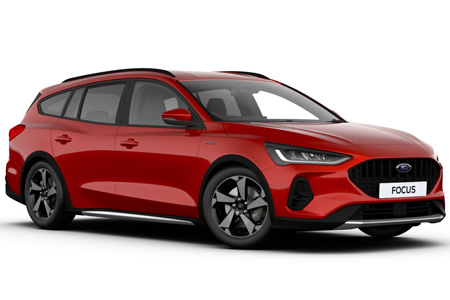
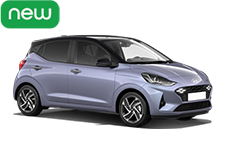
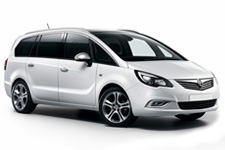
Start with the journey and pick the car to match it. Smaller cars are suited to city driving and short stays, automatics make local driving easier, estates and SUVs give more room for luggage, and people carriers are a better choice for families or small groups. The range available includes the Fiat 500, VW Golf, Ford Focus Estate, Ford Focus Automatic and Hyundai i10 Automatic, subject to dates, driver details and availability. The precise make, model, transmission, seating, payload and licence position are confirmed when you are quoted, so treat the vehicles listed as a guide to the kind of hire on offer rather than a guaranteed reservation of a particular model.
Questions to Ask Before a Quote
What should you have written down before contacting the team? Start with the essentials: the hire dates, the driver's details and the address where the car is needed. Then add the questions that only the team can answer, such as which vehicle groups are available for those dates, whether delivery or collection suits your arrangements, and what the confirmed price covers. Note how many passengers and bags will travel, including anything bulky like golf clubs or a child's pushchair, since that shapes the choice between a compact city car, an estate, an SUV or a people carrier. If the trip involves multiple drivers, record their details too. Keeping this list in one message makes the quote process straightforward and reduces the back-and-forth of follow-up questions later.
Building a Flexible Day Plan
A flexible plan starts with knowing which parts of the day are fixed and which can move. Write down the appointments or commitments with set times, then list the journeys between them, including start points, destinations and who needs to be in the car for each leg. Where a passenger joins late or leaves early, note their contact number so the schedule can absorb the change. It is also worth recording any places the car will be parked or left during the day, and roughly how long it sits unused between journeys. If the itinerary might stretch beyond the original dates, flag that possibility when asking for a quote, since the team can then confirm how extensions are usually handled. An outline with gaps marked as uncertain is often more useful than a rigid timetable.
Explore other car hire areas
What to confirm on the phone
Before you confirm the hire, check the key details: vehicle availability, driver requirements, mileage, insurance, delivery or collection arrangements and any extras you have asked for, along with driver age, licence history, the deposit, the insurance excess and any travel abroad. A clear request gives the date, the length of hire, the rough route, the delivery or pickup address, the expected passengers or load, and any particular requirements that might affect which vehicle is suitable.