













Matching a hire car to your passengers and luggage
Tell the team how many people will travel and how many cases, buggies or bulky bags you expect. Seating and boot space are separate questions. Say whether you need an automatic or are happy with a manual, and mention any child seat request early so it can be checked before you are quoted. Include details for every driver who may take the wheel.
Picking a suitable car
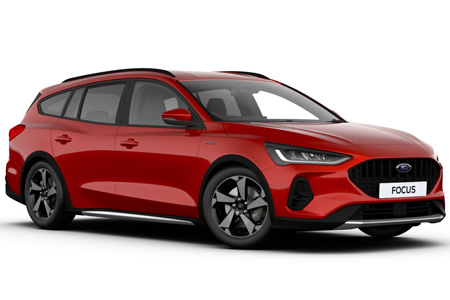
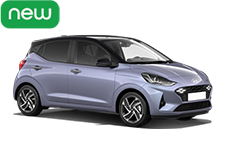
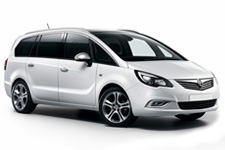
Start with the journey and pick the car to match it. Smaller cars are suited to city driving and short stays, automatics make local driving easier, estates and SUVs give more room for luggage, and people carriers are a better choice for families or small groups. The range available includes the Fiat 500, VW Golf, Ford Focus Estate, Ford Focus Automatic and Hyundai i10 Automatic, subject to dates, driver details and availability. The precise make, model, transmission, seating, payload and licence position are confirmed when you are quoted, so treat the vehicles listed as a guide to the kind of hire on offer rather than a guaranteed reservation of a particular model.
Sketching an Arrival-Day Plan
What will the first few hours after collection actually involve? If you have a rough answer, note it down before requesting a quote. A driver collecting a car on arrival day might list the handover time, any onward connections, and the sequence of stops they intend to make, from a supermarket to a relative's address. Writing times in order helps you spot gaps where a delay could matter, such as a shop that closes early or a meeting point that only works within a set window. Keep contact numbers for anyone waiting on you, since plans often shift once travel is underway. If the schedule is still loose, say so when you enquire; the team can then talk through vehicle groups without assuming a fixed timetable. Any questions about access at a particular stop belong with the people at that stop, so it is worth phoning ahead rather than guessing.
Coordinating Several Passengers
When more than one person shares the car, a short list of who needs to travel can settle most decisions early. Each passenger might be noted by name, age if relevant, and whether they are travelling on every leg or only some. Children bring their own considerations, from booster seats to how much room their belongings take up, so counting both people and bags separately is useful. Decide in advance whether luggage belongs to individuals or goes into one shared load, and record rough dimensions for anything unusual, such as a folded pushchair or a guitar case. Agree who holds each passenger's contact number in case plans change mid-journey. If the group grows or shrinks before booking, update the list and mention the revised total when you ask for a price, so the vehicle group discussion reflects the numbers actually travelling.
Explore other car hire areas
Last checks before booking
Before you confirm the hire, check the key details: vehicle availability, driver requirements, mileage, insurance, delivery or collection arrangements and any extras you have asked for, along with driver age, licence history, the deposit, the insurance excess and any travel abroad. A clear request gives the date, the length of hire, the rough route, the delivery or pickup address, the expected passengers or load, and any particular requirements that might affect which vehicle is suitable.