
Details to confirm before a truck or lorry quote
Describe the load by weight, dimensions and packing, whether palletised, loose or crated. Ask the recipient whether unloading will be by forklift, at a loading dock or by hand, and whether their site has height, length or weight limits for delivery vehicles. Provide driver licence details and say whether the hire is for business use, so the team can confirm driver and operator requirements with you before booking.
How the right vehicle is confirmed
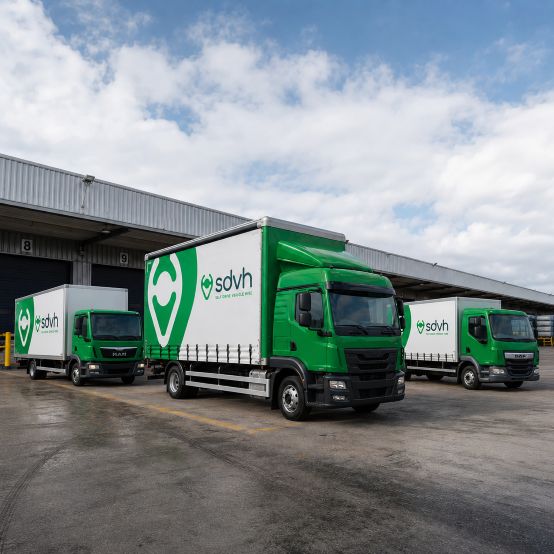
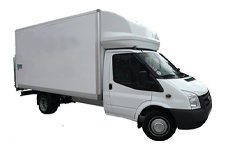
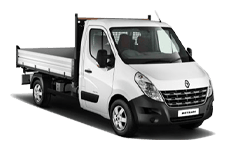
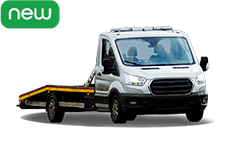
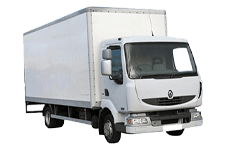
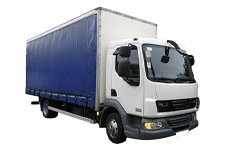
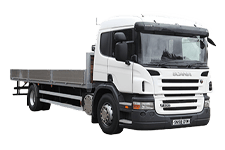
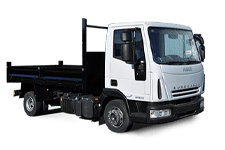
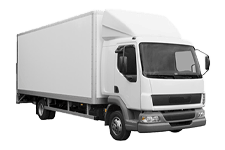
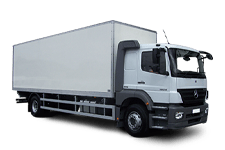
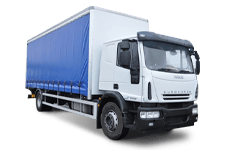
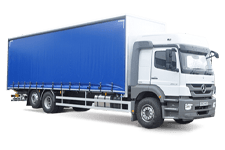
Let the job, not the headline size, guide your choice of truck. Ask about gross weight, body length, whether a tail lift is needed, load security, turning space and whether timed delivery windows affect which vehicle can be supplied. The range on offer includes the Ford Luton 3.5 Tonne Box with Tail Lift, 3.5 Tonne Tipper Transit Truck, 3.5 Tonne Recovery Truck, 7.5 Tonne Box Truck With Tail Lift and 7.5 Tonne Curtain Side Truck, depending on dates, driver details and availability. Make, model, transmission, seats, payload and licence position are all confirmed at quote stage, so treat the listed vehicles as a guide to the kind of hire available, not as a guaranteed reservation of a particular model.
Matching Equipment to the Load
Decide early what handling equipment the job assumes, then check it against what you will actually have. If the load includes pallets, note whether a pallet truck or forklift will be present at each end, and record who is providing it. For drums, crates or machinery, write down the dimensions and weight of each piece so the team can consider which body type fits the description. Where items arrive on site already loaded, note how they are currently supported and whether that changes at the destination. Keep a note of the route and any stops, since this may affect the terms discussed. When you enquire, ask whether the equipment you plan to use is compatible with the body types available, what the mileage terms would be, and whether your driver details satisfy the operator licence requirements for the truck in question.
Checking Access Dimensions Carefully
Before settling on a vehicle, measure the spaces it must pass through. Record the width and height of gates, archways and yard entrances at both the collection point and the destination, and note any slopes, kerbs or turning constraints you have observed. If the delivery address is managed by someone else, such as a site manager or a business contact, ask them directly for their entrance measurements and any restrictions they impose on visiting vehicles. Write these figures alongside your load dimensions so the two sets can be compared. When you contact the team, present both lists and ask which body types match your measurements, what access information they need from you, and whether anything in your notes might change the recommendation. Questions you cannot yet answer should be flagged rather than approximated.
Explore other truck hire areas
Things to check before booking
Before your hire is confirmed, go over the key points: whether the vehicle is available, driver requirements, mileage, insurance, delivery or collection arrangements and any extras you have asked for. For truck hire, also establish whether the work involves pallet freight, site access, use of a tail lift, timed drops, long-distance mileage or any driver and operator checks before anything is agreed. A useful request gives the date, length of hire, rough route, delivery or pickup address, expected passengers or load, and any special requirements that might affect which vehicle is suitable.