
What Is A SWB Van? West Midlands Van Hire Guide
A SWB van is a compact van category suited to smaller West Midlands moves, trade jobs and deliveries where access matters. This regional version uses Droitwich, Droitwich Spa, Evesham as practical reference points for SDVH West Midlands and Borders customers.
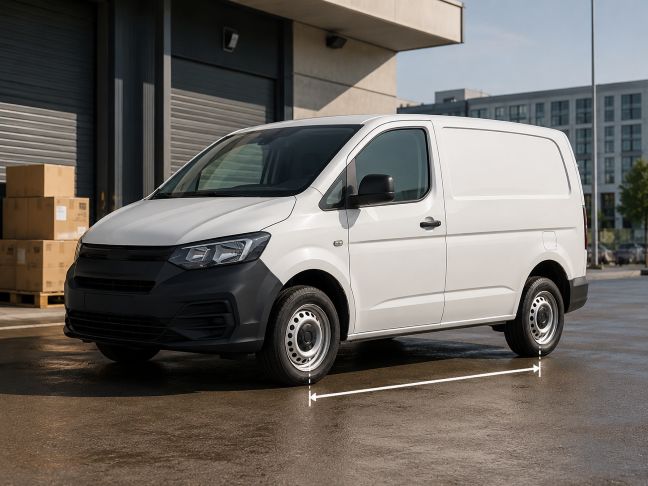
What SWB stands for
SWB stands for short wheelbase. In van hire, it usually describes a compact panel van that is easier to park and manoeuvre than a long wheelbase or Luton van, while still offering a useful enclosed load area. For SDVH West Midlands and Borders, the useful booking details are the same practical ones across Droitwich, Droitwich Spa, Evesham: passenger count, luggage, access, delivery or collection and the route being planned.
For West Midlands and Borders, that compact size counts. Narrow streets, loading bays, resident parking, estate roads and basement car parks can all make a smaller van more practical than picking the largest vehicle available.
Typical West Midlands uses
A SWB van works well for small flat moves, student moves, stock runs, tool transport, click-and-collect furniture, event kit and light trade work. It is often a sensible first step up from a car when the load is boxed or awkward. Customers in Droitwich, Droitwich Spa, Evesham often need the vehicle for mixed local journeys, so the hire category should be chosen around what is being carried rather than the heading alone.
It is not the ideal choice for large house moves, tall wardrobes, several sofas or heavy commercial loads. Depending on access and weight, jobs like those may call for a bigger panel van, a Luton, a tail-lift vehicle or a truck.
Dimensions and loading
Because exact dimensions differ between models, think of SWB as a category and not a guaranteed measurement. Check the load length, height, payload, side doors and rear doors, and whether the van has a bulkhead or racking.
Before you call, measure the biggest item. If a single object is too long or too tall, the rest of the load is beside the point: you may need a different van category.
Parking and access in West Midlands and Borders
A SWB van is easier than a larger van in many West Midlands streets, but it still needs legal loading space and enough room to open the doors safely. Consider red routes, controlled parking zones, height restrictions and narrow access roads.
Jobs at a block of flats, a market area, a school, a venue or a busy high street are worth mentioning to the booking team, because access can affect whether delivery, collection or a different van size is the sensible option.
When a larger van is the better choice
Go for a bigger van if the load is long, tall or heavy, or is likely to take several trips in an SWB. Where parking access permits, a medium or long wheelbase van can get the job done more efficiently.
For heavier commercial moves, check the payload and vehicle category before you book. The best van is one that can carry the load both legally and practically, not simply the one that sounds easiest to park.
Using this guide before you call
Use this what is a swb van? west midlands van hire as a practical way to narrow your options before you call. It can help you settle on a vehicle type, but availability, driver and terms checks are still needed before the booking is final.
Note down the route, hire date, number of passengers, size of the luggage or load, preferred transmission and the delivery or collection address. These details count for more than a broad label such as van hire, particularly when the vehicle needs to suit a specific job.
When another vehicle category is worth comparing
If your plans change, compare what this guide covers with the wider van hire services. Someone asking about a car body style may in fact need more luggage space, while someone asking about a small van might really need a longer load bay or a tail-lift option.
The most reliable booking conversation begins with the job rather than the name of the vehicle. A light family trip, a station pickup, a student move, a trade delivery and an event run may each lead to a different vehicle, even if the initial search term sounds much the same.
Checking local availability and routes
Once you know where the vehicle is needed, the local hire areas become useful. They set out nearby places, roads, stations and related service links, helping the booking team understand the journey you are actually making.
If the vehicle is being delivered or collected, give the full address and mention any restrictions such as parking, loading bays, timed access, height limits, gated entrances or event traffic, as these can affect whether the vehicle you have requested is practical.
Checklist before phoning the booking team
Before you phone, work out who will drive and what licence they hold, then check whether an automatic is needed, whether the trip requires European cover, whether you are requesting one-way hire and whether company own insurance may apply.
With vans and trucks, include the payload, how the vehicle will be loaded, any tail-lift needs and site access. With cars and minibuses, include the number of passengers, luggage, child seats, pickup points and any long-distance plans. A clearer request means the quote can be less generic.
What a vehicle name does not tell you
A vehicle label is a useful place to start, but it is no guarantee of exact dimensions, equipment, transmission, seating, load space or model. Vehicles with similar names may still vary in boot shape, roof height, payload, doors or licence requirements.
That is why this guide points you to a phone check rather than a one-click booking promise. The booking team can confirm what is available on your chosen date and whether the vehicle still suits your actual route, driver and load.