

Details to confirm before a truck or lorry quote
Describe the load by weight, dimensions and packing, whether palletised, loose or crated. Ask the recipient whether unloading will be by forklift, at a loading dock or by hand, and whether their site has height, length or weight limits for delivery vehicles. Provide driver licence details and say whether the hire is for business use, so the team can confirm driver and operator requirements with you before booking.
How the right vehicle is confirmed
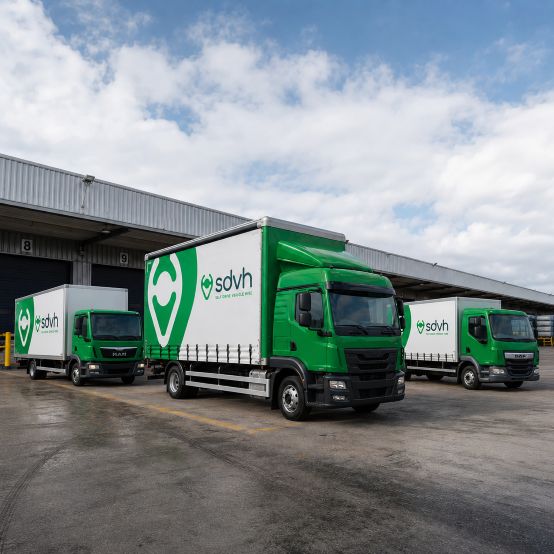
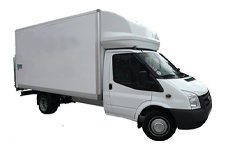
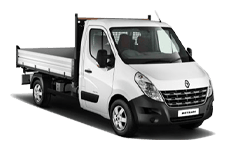
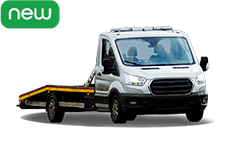
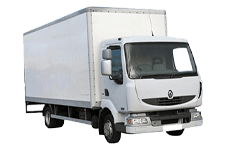
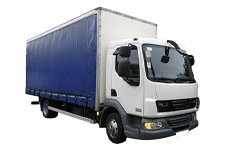
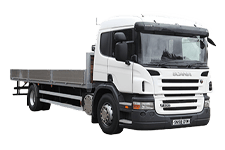
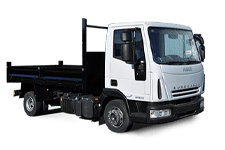
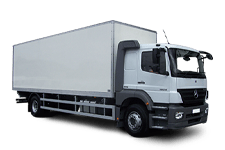
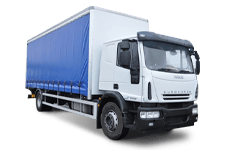
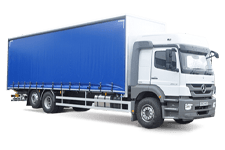
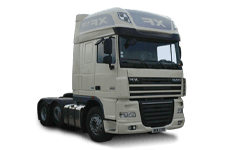
Weight, body type and access should shape your choice of truck. A tail-lift box suits heavier loads that need handling, a curtain-side works well for palletised deliveries, a dropside helps with site access, and bigger trucks may need operator licence checks. Depending on dates, driver details and availability, the range covers the Ford Luton 3.5 Tonne Box with Tail Lift, 3.5 Tonne Tipper Transit Truck, 3.5 Tonne Recovery Truck, 7.5 Tonne Box Truck With Tail Lift and 7.5 Tonne Curtain Side Truck. Because the exact make, model, transmission, seats, payload and licence position are only confirmed at quote stage, the vehicles listed show the type of hire available and are not a guaranteed reservation of a specific model.
Questions worth asking before choosing a truck
Start by writing down the essentials: the dates you have in mind, the collection and delivery addresses, and a short description of what is going on the vehicle. Note the heaviest single item and whether it can be split or palletised, plus anything the people at either end have told you about their premises. Record who will be present at each stop and any hours they have given you for arriving or waiting. Then prepare your questions: which body types suit the job, what the route timing assumes, and whether anything in your plan needs adjusting. The more of this you can read out, the fewer exchanges the booking call is likely to need.
Separating volume from load weight on paper
Volume and weight tell two different stories, so record them separately. Note the size of your largest pieces, then write down an estimate of the total load, either from delivery notes or by checking the heaviest individual items. A load of lightweight packaging can take up a great deal of room, while a few dense items might be substantial without filling much space at all. Put both figures next to each other and flag any single item that seems unusually heavy, since that detail often changes the conversation. If you are unsure of either number, say so when you enquire and ask what a sensible estimate would look like. Rough figures, clearly labelled as rough, keep the quote discussion on track.
Explore other truck hire areas
Things to check before booking
Before you confirm your hire, check the essentials: vehicle availability, driver requirements, mileage, insurance, delivery or collection arrangements and any extras you have requested. Commercial truck hire also needs operator licence requirements, driver entitlement and delivery access confirmed, alongside mileage and insurance arrangements, before the hire is agreed. A clear request includes the date, the length of hire, the approximate route, the delivery or pickup address, the expected passengers or load, and any special requirements that could affect which vehicle is suitable.