


Details to confirm before a truck or lorry quote
Describe the load by weight, dimensions and packing, whether palletised, loose or crated. Ask the recipient whether unloading will be by forklift, at a loading dock or by hand, and whether their site has height, length or weight limits for delivery vehicles. Provide driver licence details and say whether the hire is for business use, so the team can confirm driver and operator requirements with you before booking.
Fitting the truck to your route
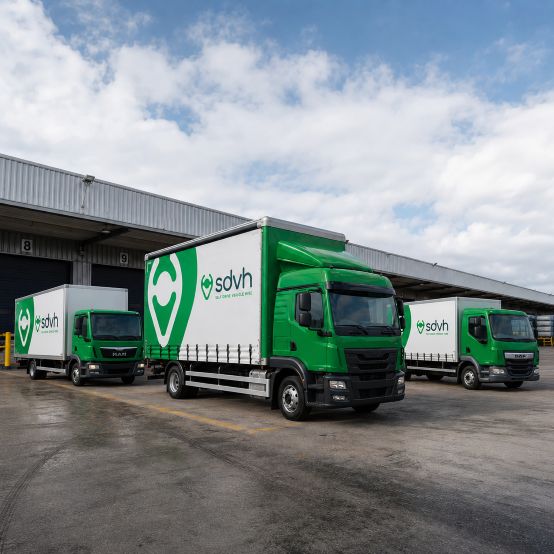
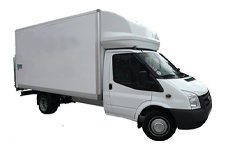
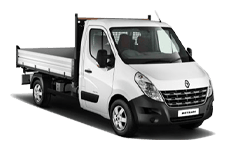
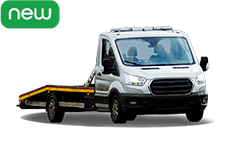
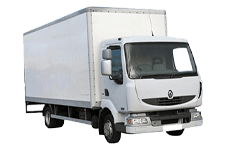
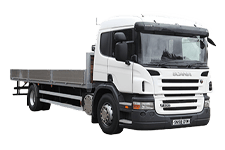
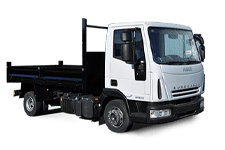
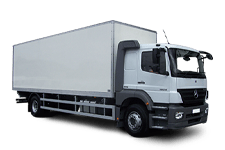
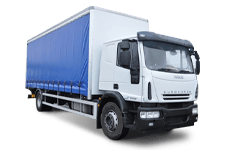
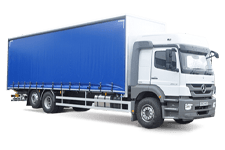
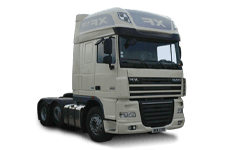
Weight, body type and access should shape your choice of truck. A tail-lift box suits heavier loads that need handling, a curtain-side works well for palletised deliveries, a dropside helps with site access, and bigger trucks may need operator licence checks. Depending on dates, driver details and availability, the range covers the Ford Luton 3.5 Tonne Box with Tail Lift, 3.5 Tonne Tipper Transit Truck, 3.5 Tonne Recovery Truck, 7.5 Tonne Box Truck With Tail Lift and 7.5 Tonne Curtain Side Truck. Because the exact make, model, transmission, seats, payload and licence position are only confirmed at quote stage, the vehicles listed show the type of hire available and are not a guaranteed reservation of a specific model.
Coordinating Arrival With Your Recipient
Once a truck hire booking is taking shape, it is worth speaking with whoever will receive the goods before the collection day arrives. A short conversation can settle matters that otherwise cause delays at the kerb, such as where the vehicle should wait, which entrance the delivery team should use, and whether anyone will be on hand to accept and sign for the consignment. If the recipient runs a business with limited opening hours or a goods-in procedure, noting those details early helps the whole journey run more smoothly. It is also sensible to confirm a contact number for the day itself, so any last-minute change to timing or access can be passed on quickly rather than discovered on arrival.
Preparing a Load Inventory
Drawing up a clear inventory before the hire begins gives both the hirer and the supplier a shared understanding of what is being moved. Listing each item, however roughly, makes it easier to judge whether everything will sit comfortably within the chosen body type, and highlights awkward pieces that deserve a mention during the booking conversation. Grouping goods by destination is useful when several drops are planned, since a well-ordered list helps whoever accompanies the vehicle work through the day without confusion. Photographing fragile or high-value items before loading provides a simple record if any question arises afterwards. Keeping a copy of the inventory to hand throughout the journey means the delivery can be checked off calmly at each stop.
Explore other truck hire areas
What to confirm on the phone
Before you confirm your hire, check the essentials: vehicle availability, driver requirements, mileage, insurance, delivery or collection arrangements and any extras you have requested. Commercial truck hire also needs operator licence requirements, driver entitlement and delivery access confirmed, alongside mileage and insurance arrangements, before the hire is agreed. A clear request includes the date, the length of hire, the approximate route, the delivery or pickup address, the expected passengers or load, and any special requirements that could affect which vehicle is suitable.