

Details to confirm before a truck or lorry quote
Describe the load by weight, dimensions and packing, whether palletised, loose or crated. Ask the recipient whether unloading will be by forklift, at a loading dock or by hand, and whether their site has height, length or weight limits for delivery vehicles. Provide driver licence details and say whether the hire is for business use, so the team can confirm driver and operator requirements with you before booking.
Fitting the truck to your route
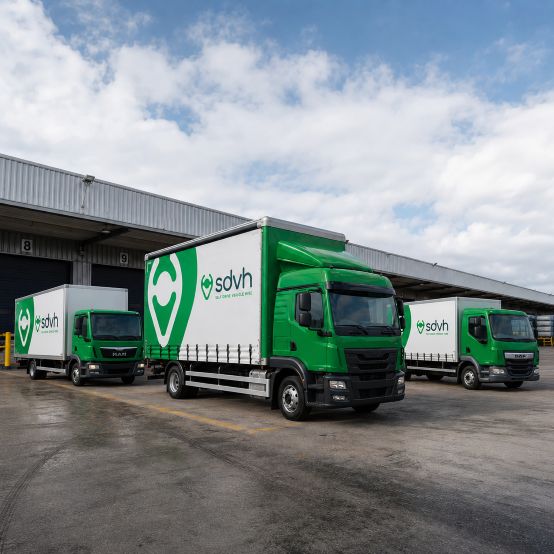
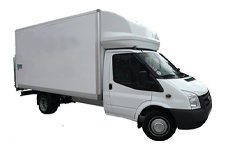
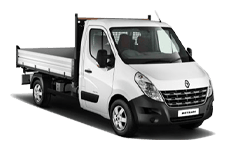
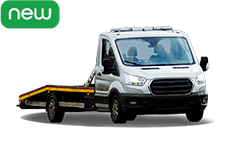
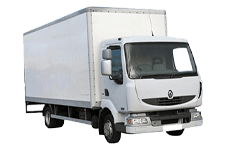
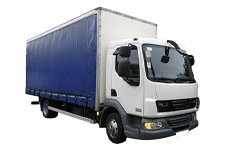
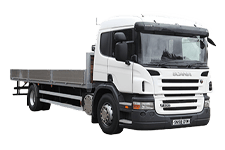
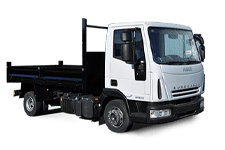
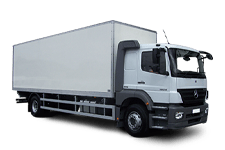
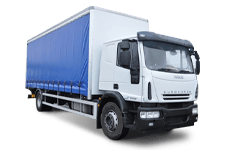
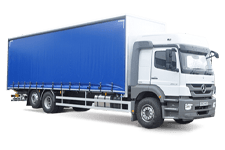
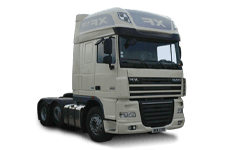
Which commercial vehicle suits you depends on the size of the load, any route restrictions and who will be driving. The smaller 3.5T options can suit many bulky moves, whereas 7.5T and heavier vehicles need closer checks on entitlement, operator requirements and delivery access. Subject to dates, driver details and availability, the range includes the Ford Luton 3.5 Tonne Box with Tail Lift, 3.5 Tonne Tipper Transit Truck, 3.5 Tonne Recovery Truck, 7.5 Tonne Box Truck With Tail Lift and 7.5 Tonne Curtain Side Truck. Because the exact make, model, transmission, seats, payload and licence position are confirmed at the quote stage, use the vehicle examples as a guide to the type of hire on offer rather than as a guaranteed booking of a specific model.
Matching Your Load Details to a Vehicle
Your first decision is usually what to include in your enquiry, because the vehicle class depends on the details you supply. Start by measuring the largest items you intend to move, including anything awkward like pallets, machinery or long lengths of material, and record those dimensions alongside an estimate of the total weight. Add notes about your route, any timed delivery slots and the access at each stop, such as gate widths or height limits you already know about. When you request a quote, you can ask which vehicle classes suit the figures you have gathered and what the hire terms would be for your dates. If some measurements are still estimates, say so, and keep a note of anything you need to confirm before booking.
Recording Volume and Weight Separately
It often helps to keep two separate columns in your notes: one for how much space the load fills and one for how heavy it is. A load of foam packaging takes up considerable room while weighing little, whereas a small consignment of steel stock can be heavy despite its modest size. Write down the length, width and height of the bulkiest items for the volume column, and use any figures from delivery notes or invoices for the weight column. When you contact the team, you can ask how each figure affects the vehicle class and the terms quoted, and whether any limits apply to the weights you have listed. Where a weight is uncertain, flagging it as an estimate keeps the enquiry honest and lets the team respond with the right questions.
Explore other truck hire areas
What to confirm on the phone
Before the hire is confirmed, check the main details: availability of the vehicle, what is required of drivers, mileage, insurance, delivery or collection arrangements and any extras requested. Weight, body style, mileage, cross-border use, driver status and commercial purpose can all alter truck terms, so these points should be checked before a vehicle is reserved. When making a request, include the date, how long you need the vehicle, the approximate route, the delivery or pickup address, the expected passengers or load, and any special requirements that could affect which vehicle is suitable.