















Sizing a van around what you are moving
List the largest items with rough length, width and height, and give an estimate of total weight, because bulk and payload limit a van in different ways. Mention anything awkward, such as a wardrobe that cannot be dismantled or long timber. Describe loading at both ends, including stairs, lift access, distance from the kerb and whether anyone will help lift.
How the right vehicle is confirmed
Start with the load, then choose the van. A small van works well for boxes, tools and light collections; medium and long-wheelbase vans suit furniture, stock and trade equipment; and a Luton is the better choice for bulkier items on a house move. Subject to dates, driver details and availability, the range includes the Volkswagen Caddy, Ford Transit SWB, VW Transporter Automatic, Ford Transit MWB and Ford Transit LWB. Make, model, transmission, seats, payload and licence position are all confirmed at quote stage, so treat these vehicles as a guide to the kind of hire on offer rather than a guaranteed reservation of a particular model.
Planning a Collection with a Seller
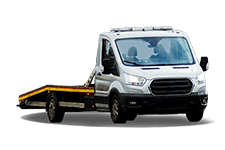
If you have bought something from a private seller, it is worth sorting the practical details before your hire dates are fixed. Ask the seller for the item's measurements, whether it comes apart, and any packaging still attached, then record those figures alongside your own notes about weight and shape. Confirm the collection address, the hours someone will be present, and a phone number for the day itself, since a message thread can be missed when things are busy. You might also ask whether the item is upstairs, in a garage or behind a locked gate, and note anything the seller mentions about access. Keeping this information together means you can describe the job clearly when matching it to a small van, Transit, Luton, dropside or crew van.
Allowing Time for Packing and Loading
Suppose your collection is booked for late morning and the van is due back the same afternoon. In that situation, sketch a rough timeline covering each stage of the day: preparing the items, travelling between addresses and reaching the far end within the window. Write down how many people will help and any deadline the seller or recipient has set, then compare the total against your hire window. If the numbers look tight, you could ask whether an earlier start or a longer hire period is possible. It is also sensible to note which items need attention before the day, so nothing is discovered at the last minute. These notes stay useful when you confirm dates and access arrangements with the team.
Explore other van hire areas
Things to check before booking
Before the hire is confirmed, go over the key points: whether the vehicle is available, the driver requirements, mileage, insurance, the delivery or collection arrangements and any extras you have asked for. Make sure payload, loading height, tail-lift needs, driver details, deposits and insurance excess are confirmed before you settle on a van size. A clear request gives the date, the length of hire, a rough route, the delivery or pickup address, the passengers or load you expect and any special requirements that might affect which vehicle is suitable.